
Flood and Water Imbalance
Seasonal excess, river flooding, and downstream management pressures can be evaluated alongside long-term storage and conveyance needs.
Proposed American infrastructure corridor
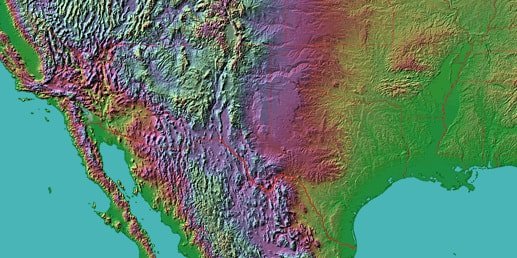
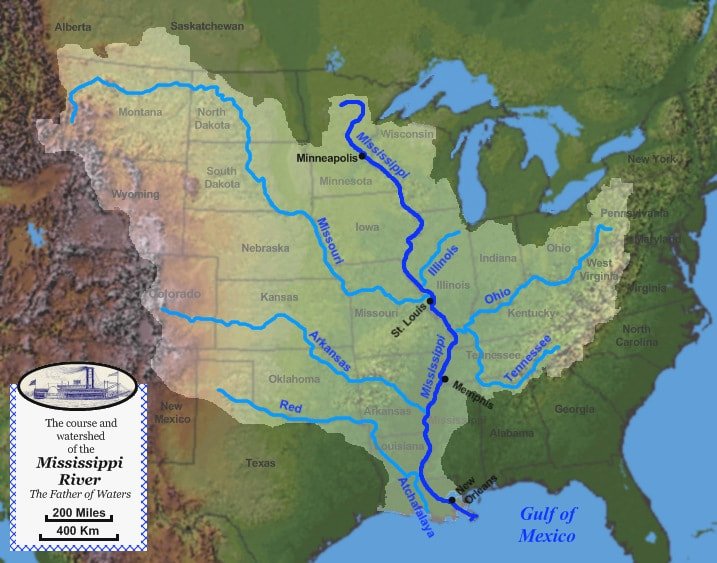
The Southwest Passage is a proposed infrastructure corridor designed to evaluate water movement, flood relief, power storage, transportation efficiency, and long-term regional growth from the Mississippi River toward the Gulf of California.
The Southwest Passage reframes that mismatch as a corridor-scale evaluation: a way to study whether water, power, transport, land, and resilience systems can be coordinated with engineering discipline and environmental accountability.
Seasonal excess, river flooding, and downstream management pressures can be evaluated alongside long-term storage and conveyance needs.
Population, agriculture, industry, and land development need credible resilience planning before water stress becomes a harder constraint.
Pumped storage, hydropower, rail, pipeline, and inland waterway logistics can be modeled as one coordinated infrastructure platform.
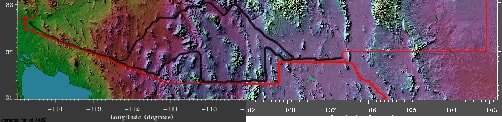
The corridor concept brings the project into focus: a connected route where water resilience, energy flexibility, logistics capacity, elevation strategy, and environmental review can be studied as one national infrastructure opportunity.
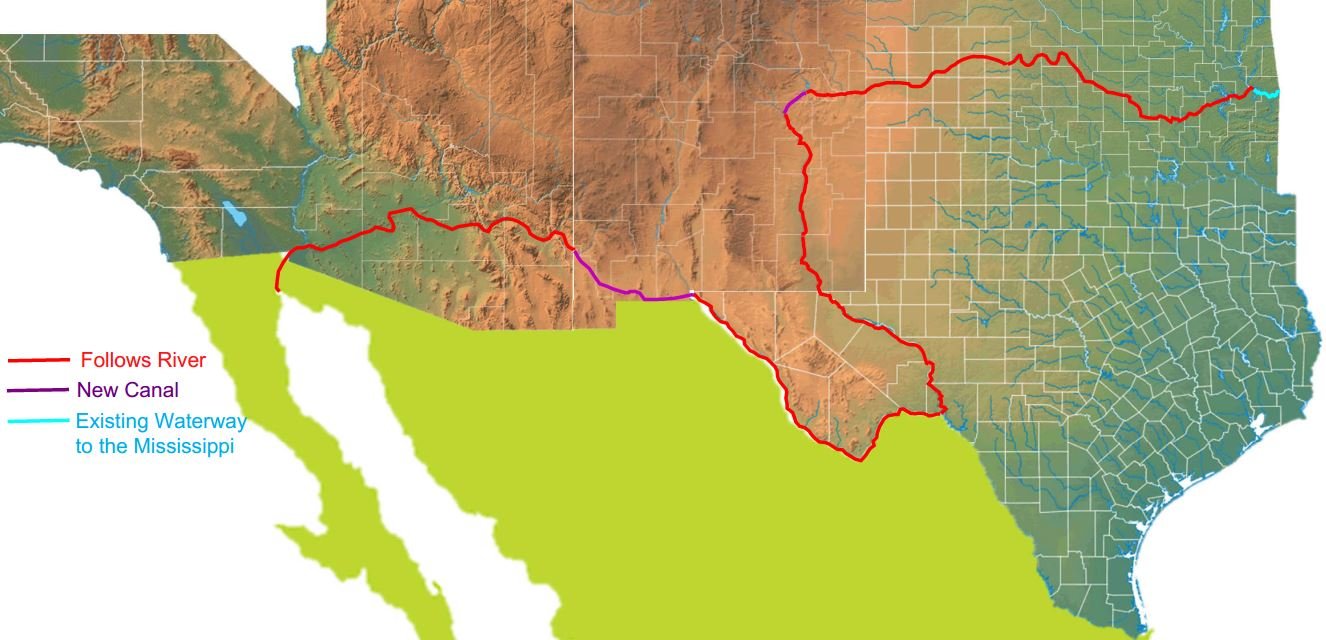
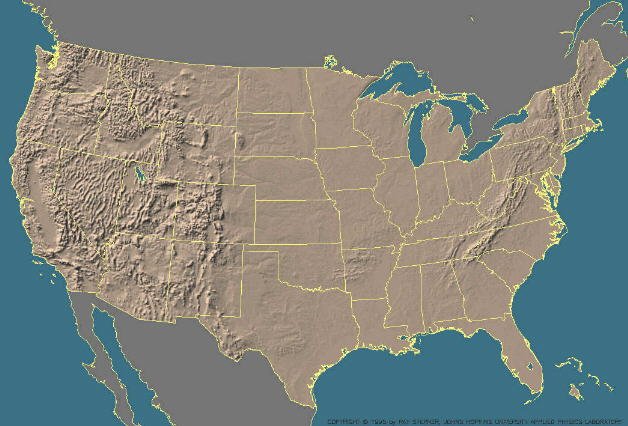
Evaluate large-scale movement, storage, flood relief, drought support, evaporation mitigation, water rights, and basin impacts.
Study pumped storage, hydropower opportunities, grid support, operating requirements, and energy balance constraints.
Explore inland waterway freight, barge movement, rail coordination, pipeline co-location, and industrial corridor economics.
Model agricultural productivity, land value, industrial development, flood-loss reduction, and long-term national productivity.
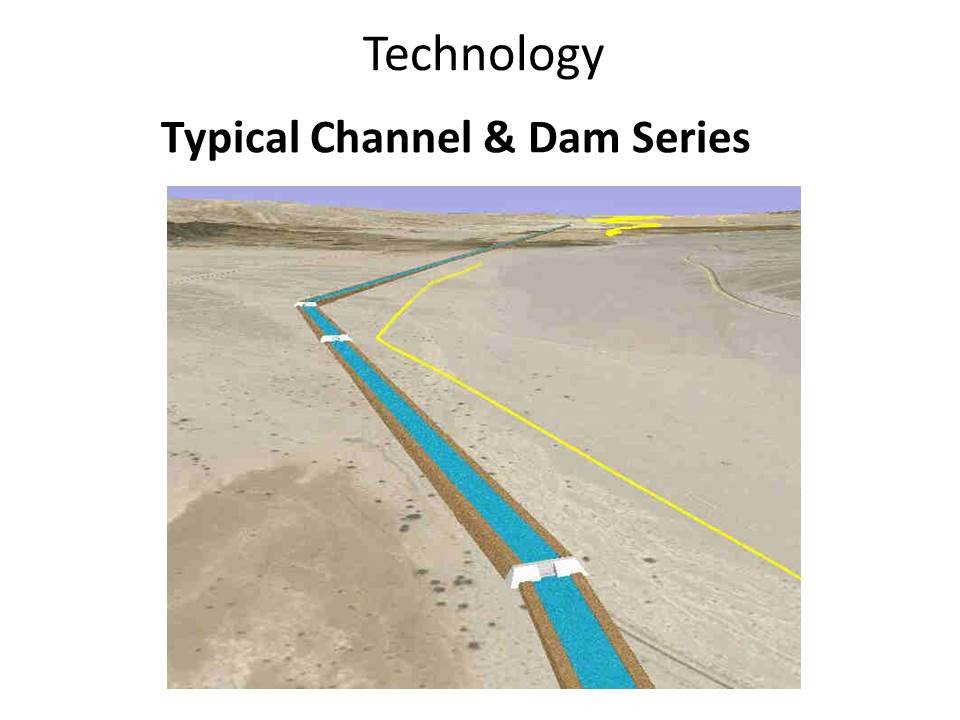
The project brings waterway, lock, storage, energy, monitoring, logistics, and environmental technologies into one coordinated system, creating a clear feasibility roadmap for engineering partners and long-term infrastructure capital.
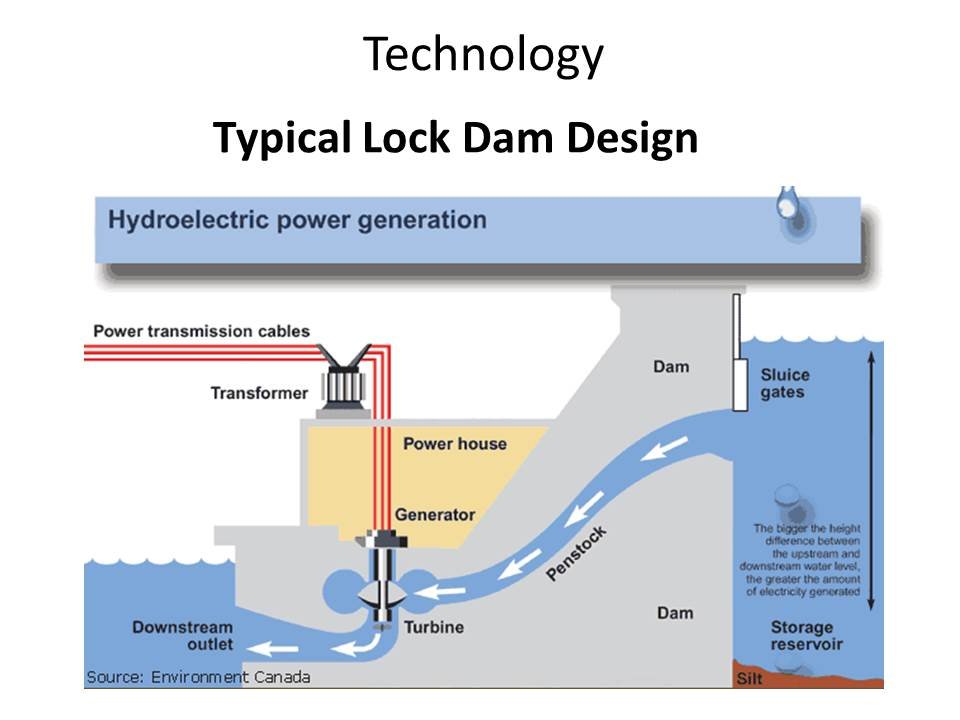
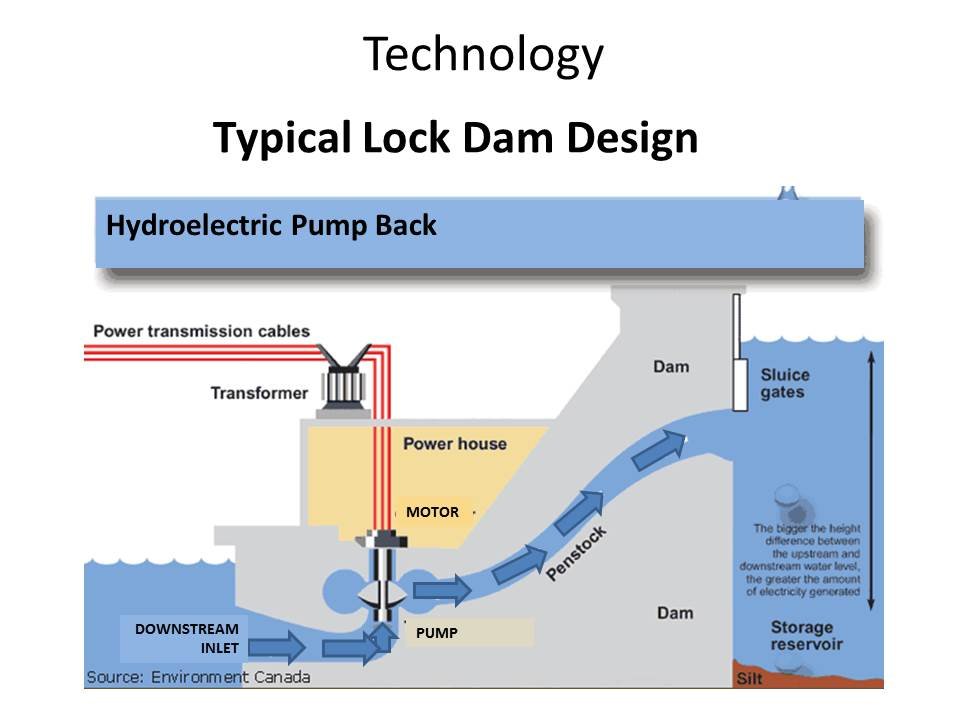
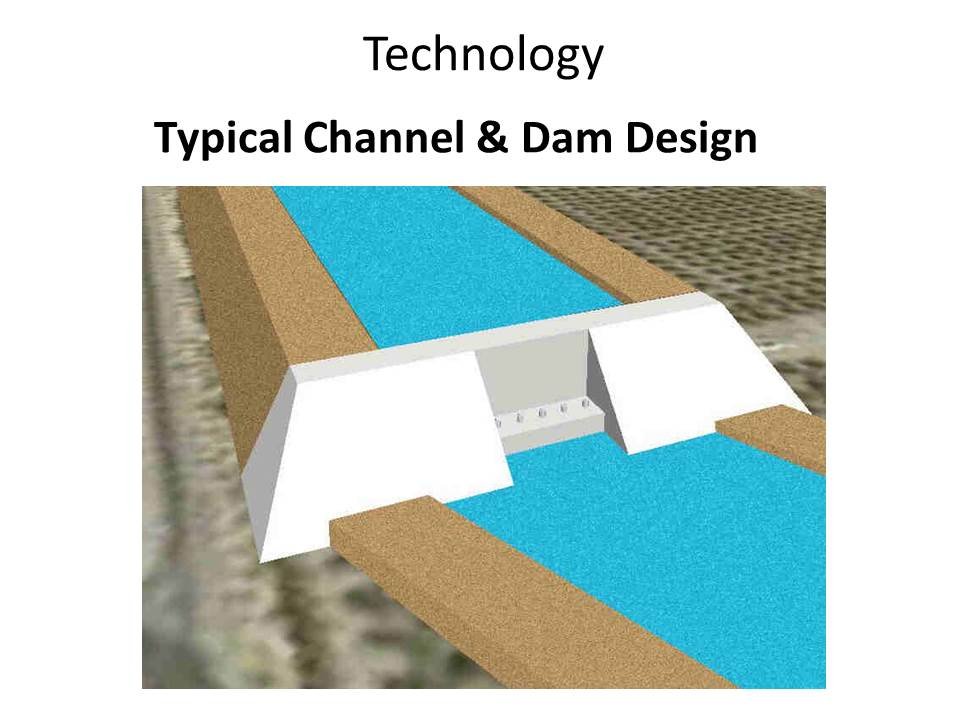
Investors need more than ambition. The Southwest Passage organizes multiple value streams into a disciplined economic framework, giving partners a clearer path to assess phased capital, risk, upside, and long-term participation.
Disciplined modeling turns a visionary infrastructure corridor into an investable pathway: capital can enter by phase, risks can be priced transparently, and upside can expand as each feasibility milestone is validated.
Scientific evaluation is central to the project's credibility. Hydrology, ecology, water rights, sediment, salinity, evaporation, habitat, and permitting questions are treated as core feasibility work that protects communities, ecosystems, and long-term investor confidence.
The Southwest Passage is seeking serious engagement around feasibility, engineering, investment structuring, and public-private development pathways.
Water and energy define the resource challenge, investment discipline defines the path forward, and logistics capacity turns the corridor into a platform for American productivity and regional growth.
A corridor-scale look at conveyance, storage, pumped hydro, and grid flexibility.
Milestones, study gates, public-private structure, and risk-adjusted assumptions.
Freight options, industrial corridor development, and regional productivity.
Start a conversation
A national-scale passage for water security, energy strength, logistics capacity, and American growth.
Investor, engineering, public-sector, environmental, media, and partnership inquiries are routed for focused follow-up with the project team.